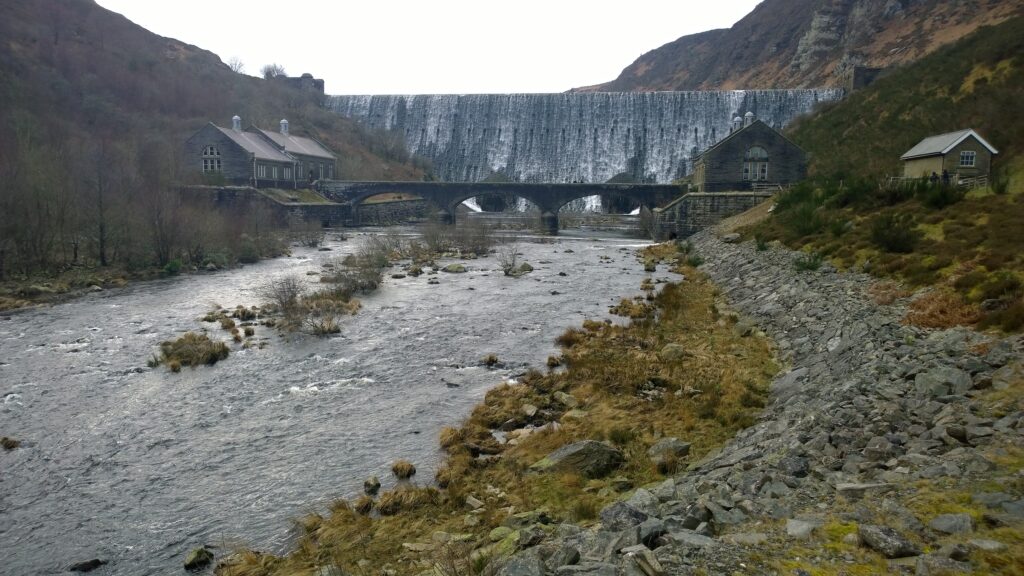
What is a Bathymetric Survey?
A bathymetric survey is a type of hydrographic survey. We’ve laid out the differences below:
- Bathymetric Survey: Focuses strictly on measuring the depth of water bodies and mapping the topography of the underwater terrain. It is the aquatic equivalent of a topographic land survey. This discipline includes river cross sections, long sections, flood plain surveys, and monitoring services on reservoirs.
- Hydrographic Survey: A more comprehensive study that includes bathymetry but extends to the physical features and properties of the entire maritime environment. This includes tides, currents, waves, water quality, and the location of navigational hazards (e.g., shipwrecks, submerged pipelines).
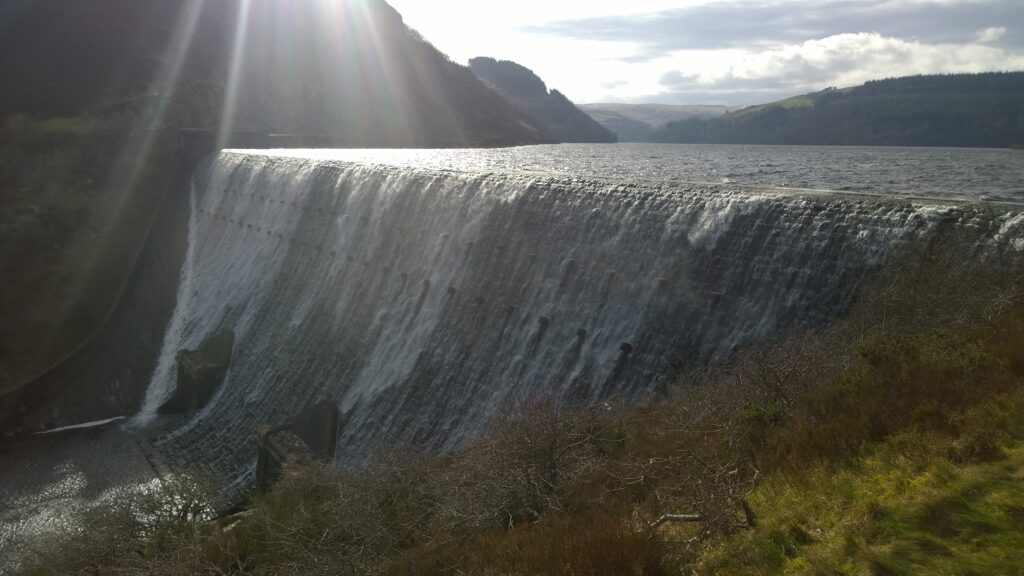
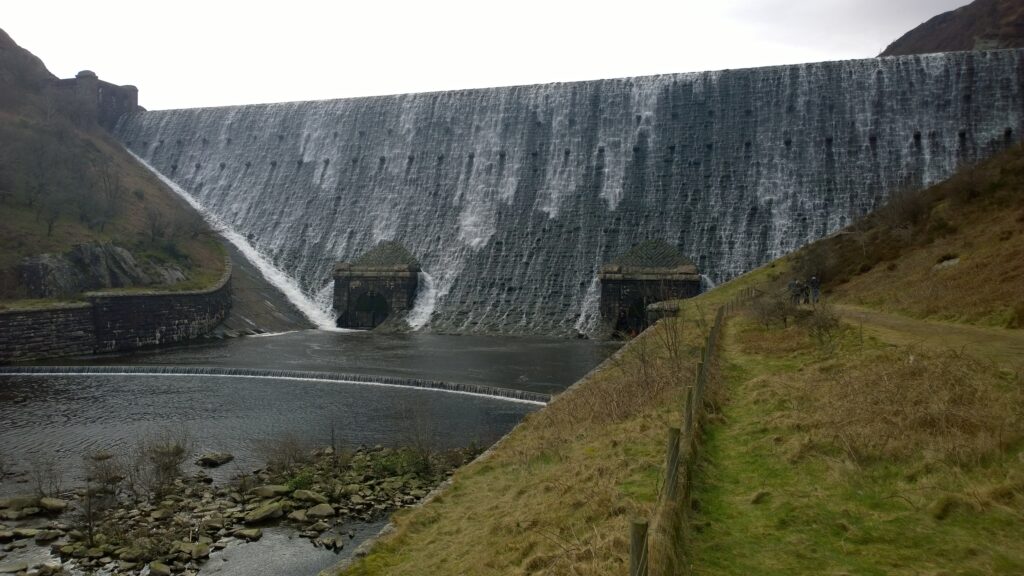
When do I need a Bathymetric Survey?
Bathymetric surveys are typically commissioned for site-specific engineering projects. For instance, if a client is proposing a new bridge over a tidal estuary a bathymetric survey is essential for:
- Volumetric Calculations: Determining the amount of material to be removed during dredging.
- Scour Monitoring: Assessing erosion around bridge piers or subsea structures.
- Pipelaying: Mapping the optimal route for subsea utilities to avoid steep gradients or rocky outcrops.
A hydrographic survey is required for broader maritime management and safety. And might be required for:
- Nautical Charting: Providing the “Notice to Mariners” regarding newly discovered obstructions.
- Tidal Analysis: Establishing the Vertical Datum (e.g., Chart Datum vs. Ordnance Datum Newlyn).
- Environmental Impact: Studying how currents and wave patterns might affect coastal erosion near a new development.
Deliverables:
- Bathymetric charts. Detailed maps showing depth contours (isobaths) and spot levels. These are provided in AutoCAD (.dwg)
- Digital Elevation Models (DEM) / Digital Terrain Models (DTM): A 3D representation of the bed surface.
- Volumetric reports
- Cross-Sections and Longitudinal Profiles. Essential for river engineering and flood risk assessments, showing the shape of the channel at specific intervals.